LIVING
Unlocking the Beauty of Imperfection: How Wabi-Sabi Transforms Our Homes and Lives
Words by Lydia S
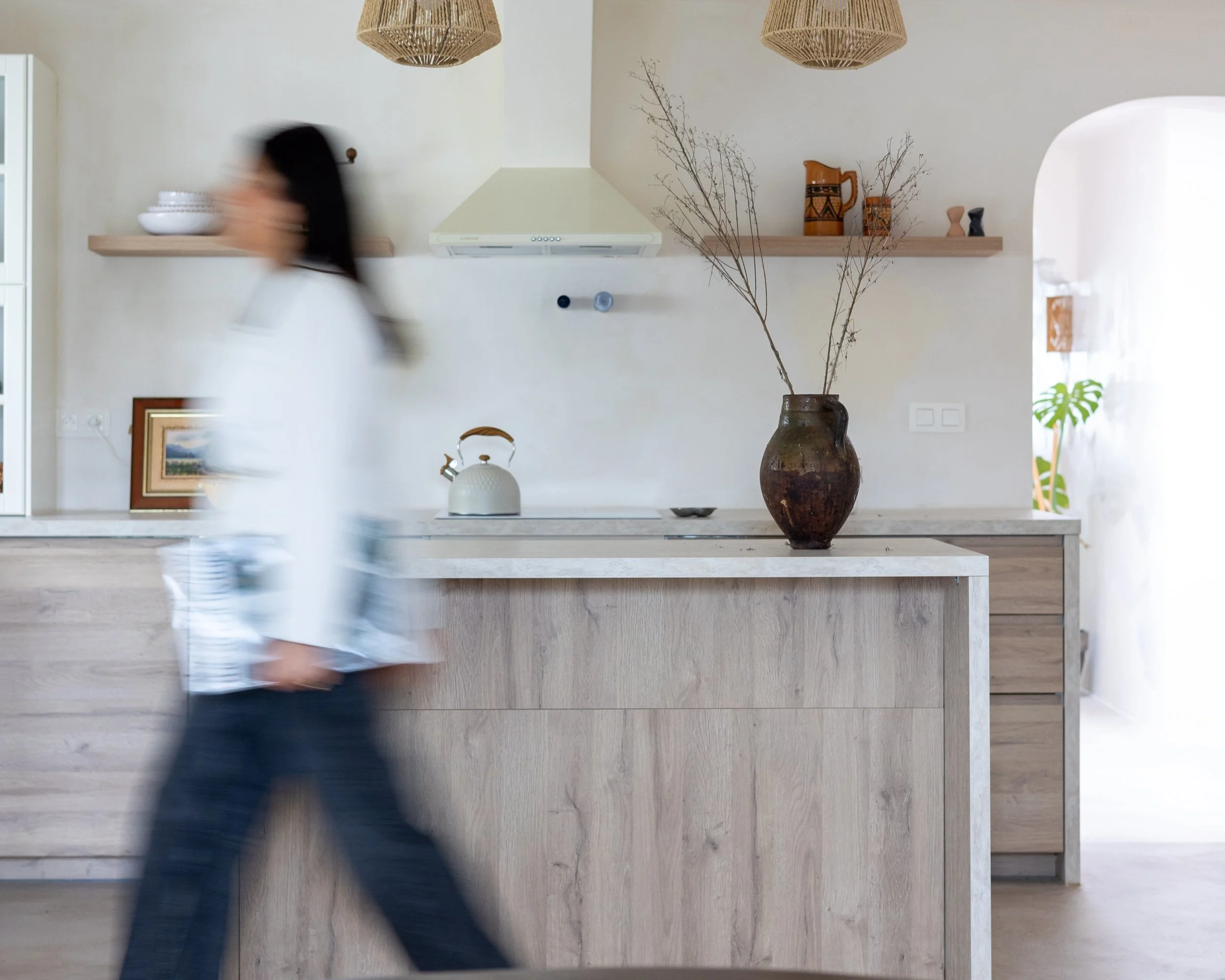
Modern kitchen interior with wooden cabinets, a countertop, a rustic vase with branches, a blurry person walking by, and decorative items on shelves. A white range hood and kettle are visible.
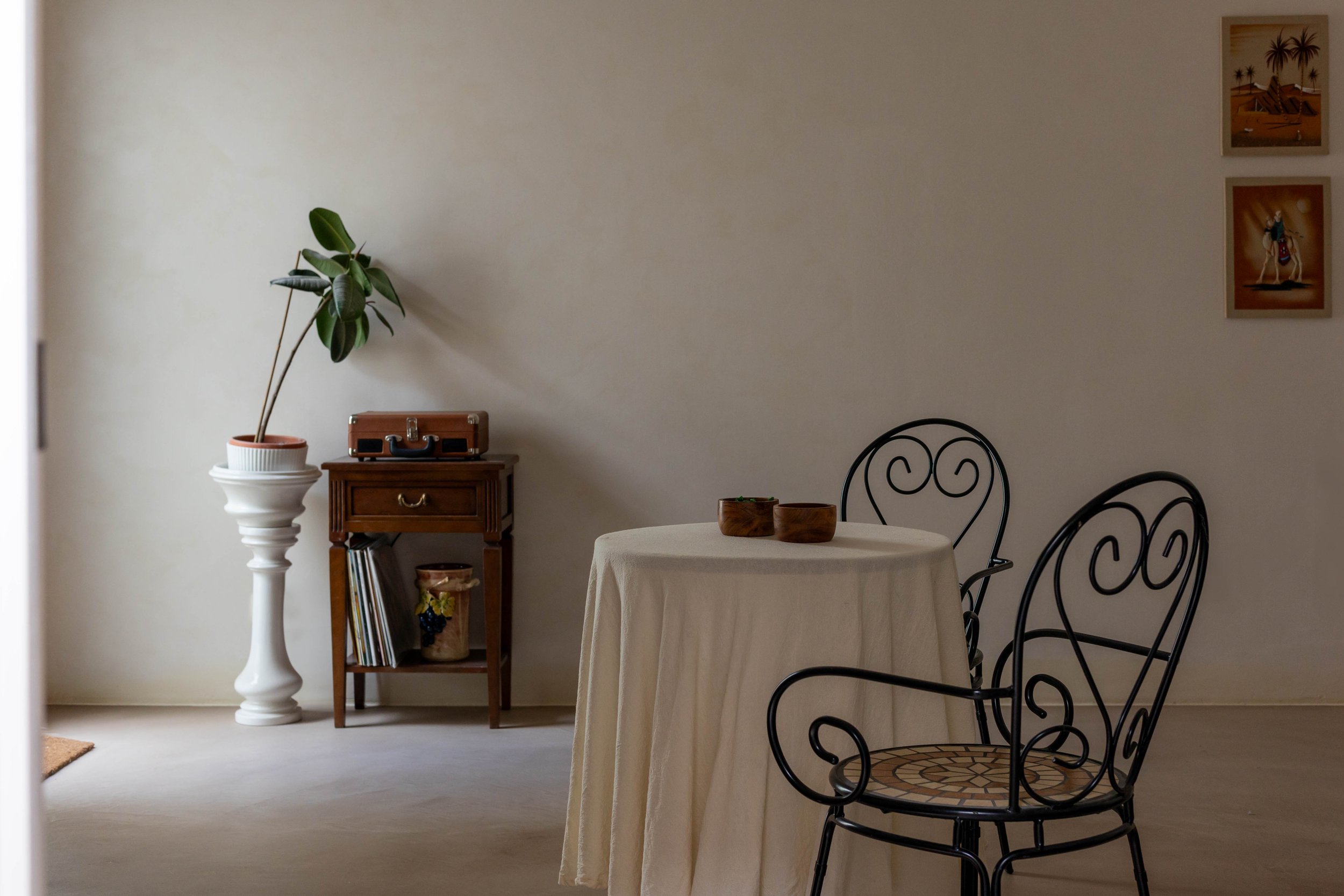
Location: Studio Lydia S Photography: Mychela Rinaldi Photography

Location: Studio Lydia S Photography: Mychela Rinaldi Photography
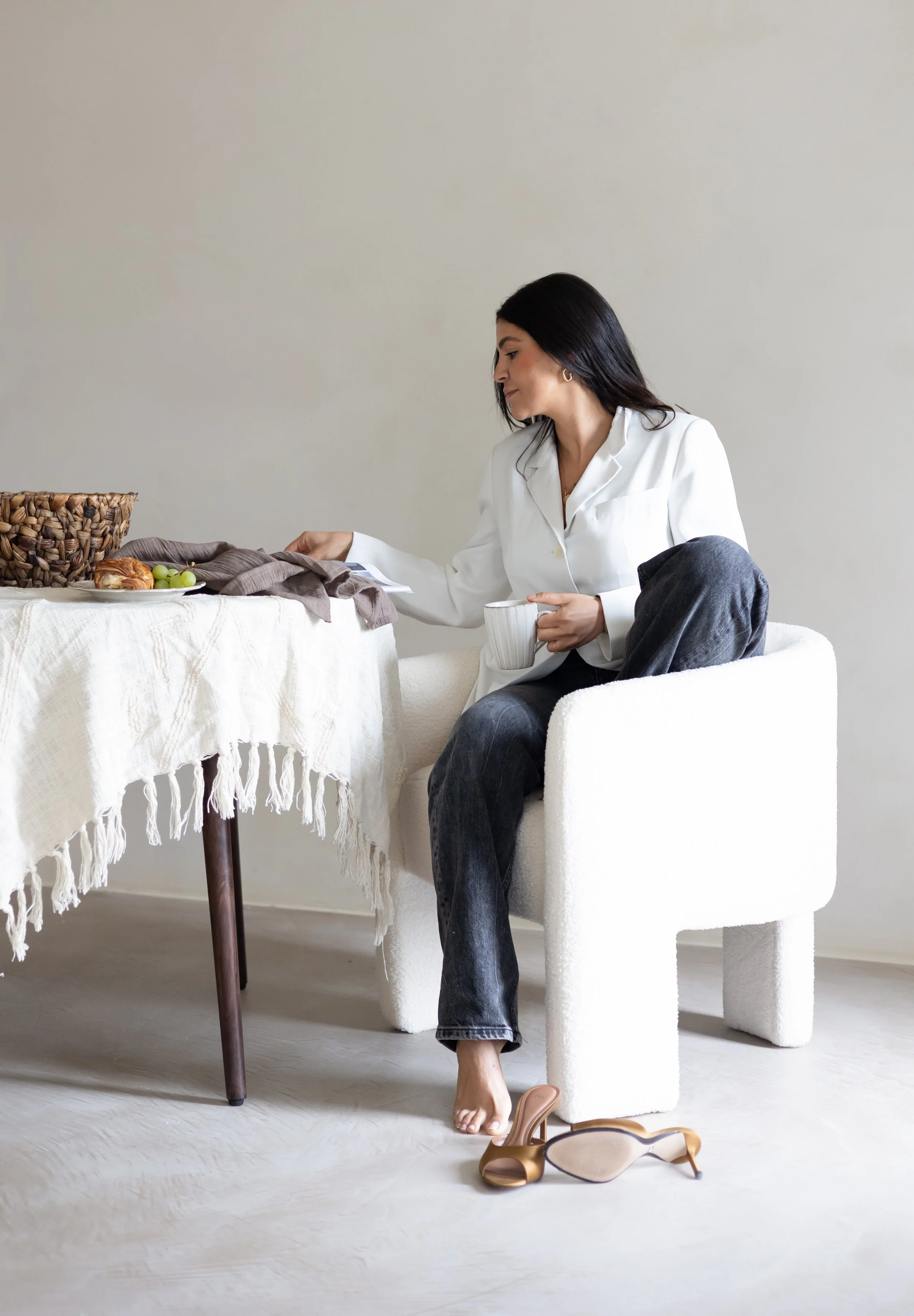
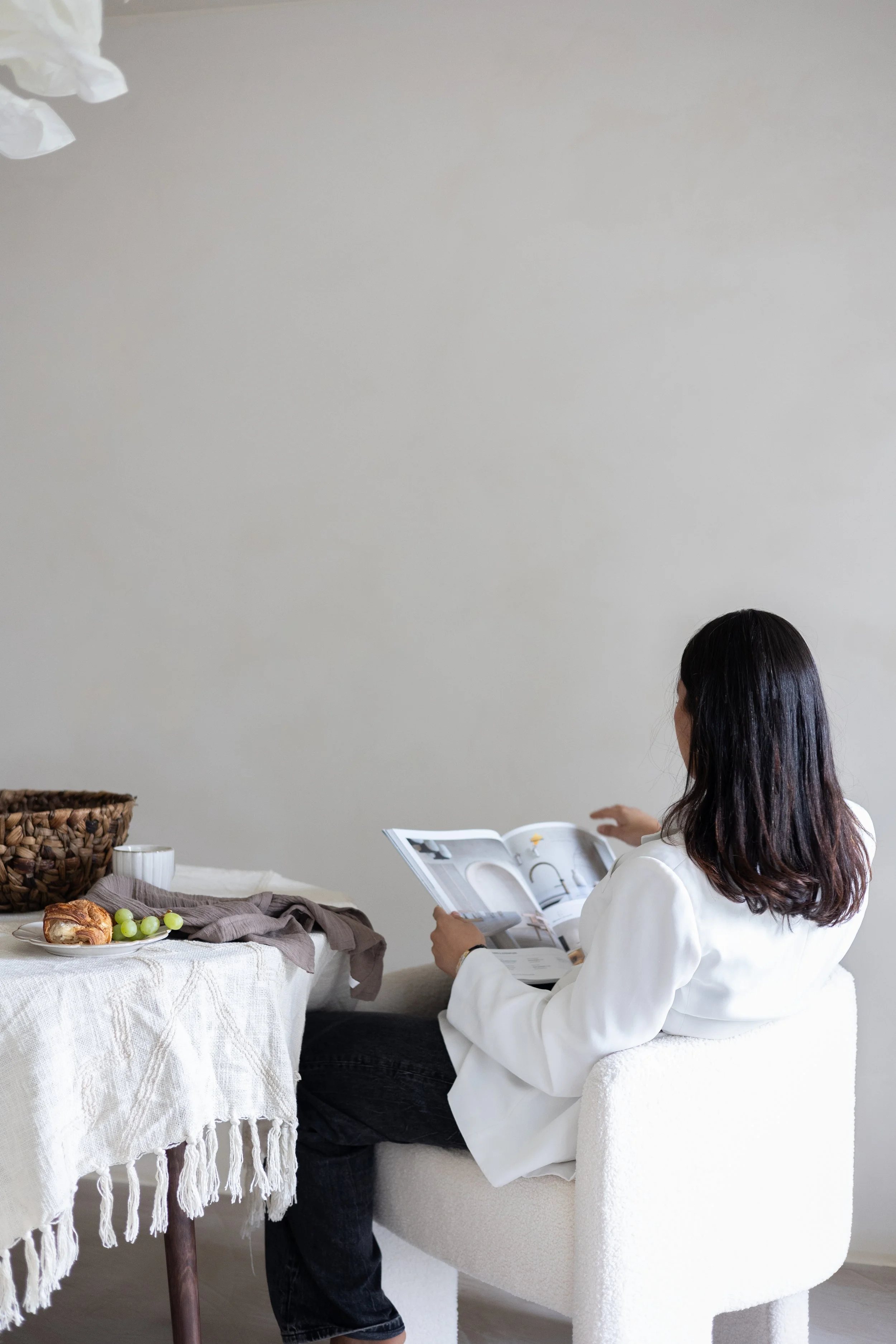
Person wearing a white blazer and jeans, sitting in a modern chair at a table with a fringed tablecloth, holding a mug, with sandals on the floor and a plate of croissants and grapes nearby.
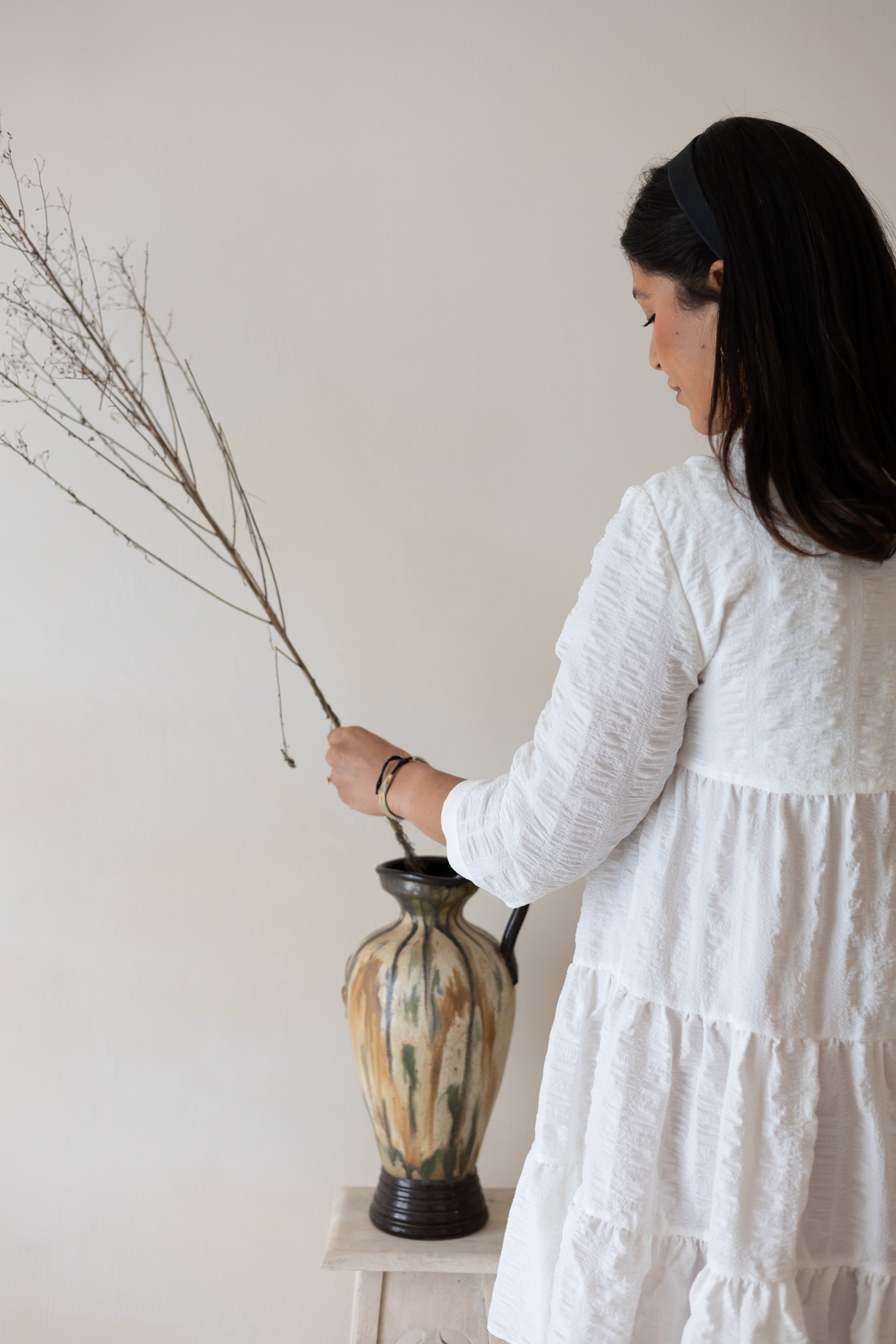
Woman in white dress arranging dried branches in a decorative vase on a wooden table.
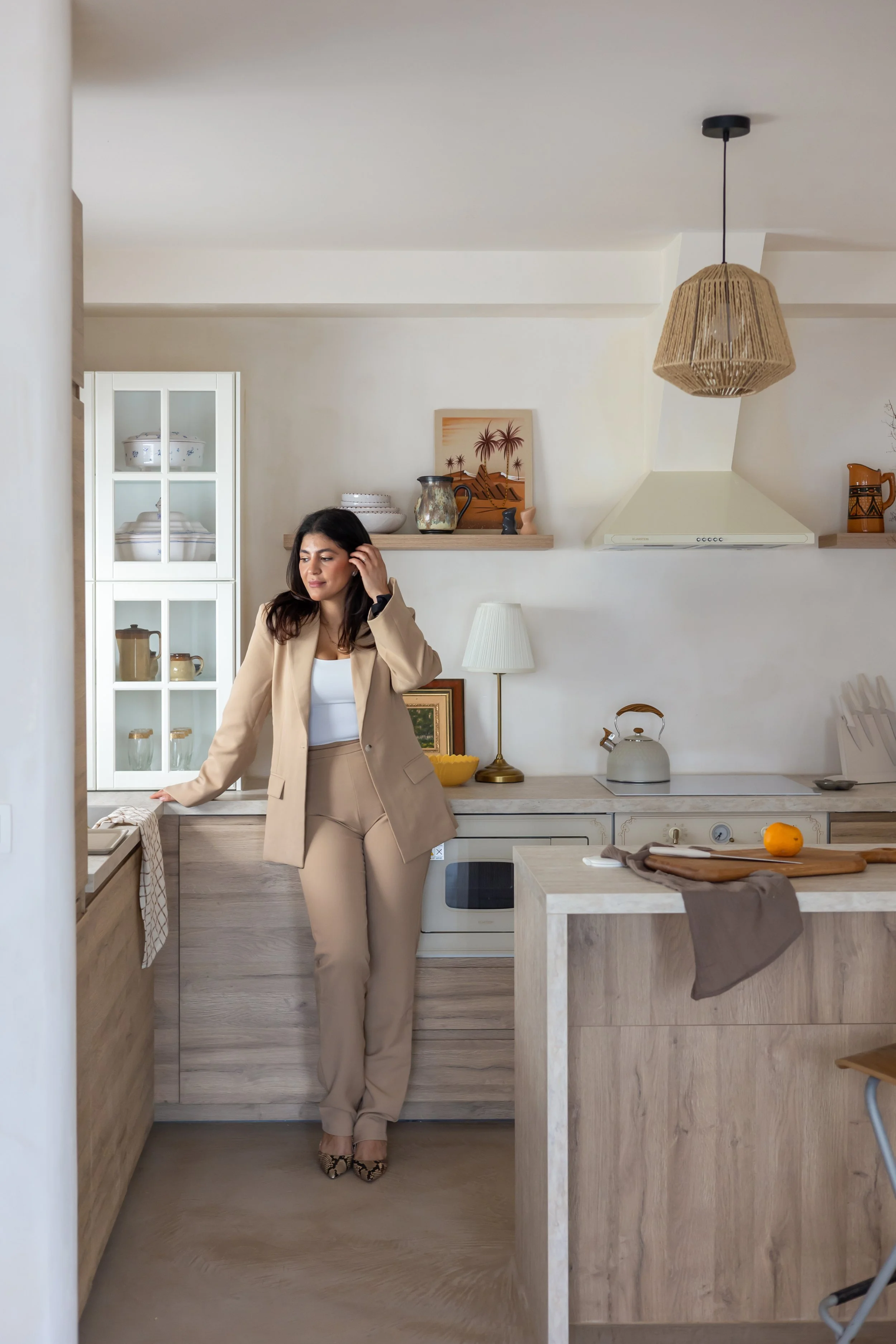
Woman in beige suit standing in a modern kitchen with wooden cabinets, a white countertop, and decorative items on shelves.
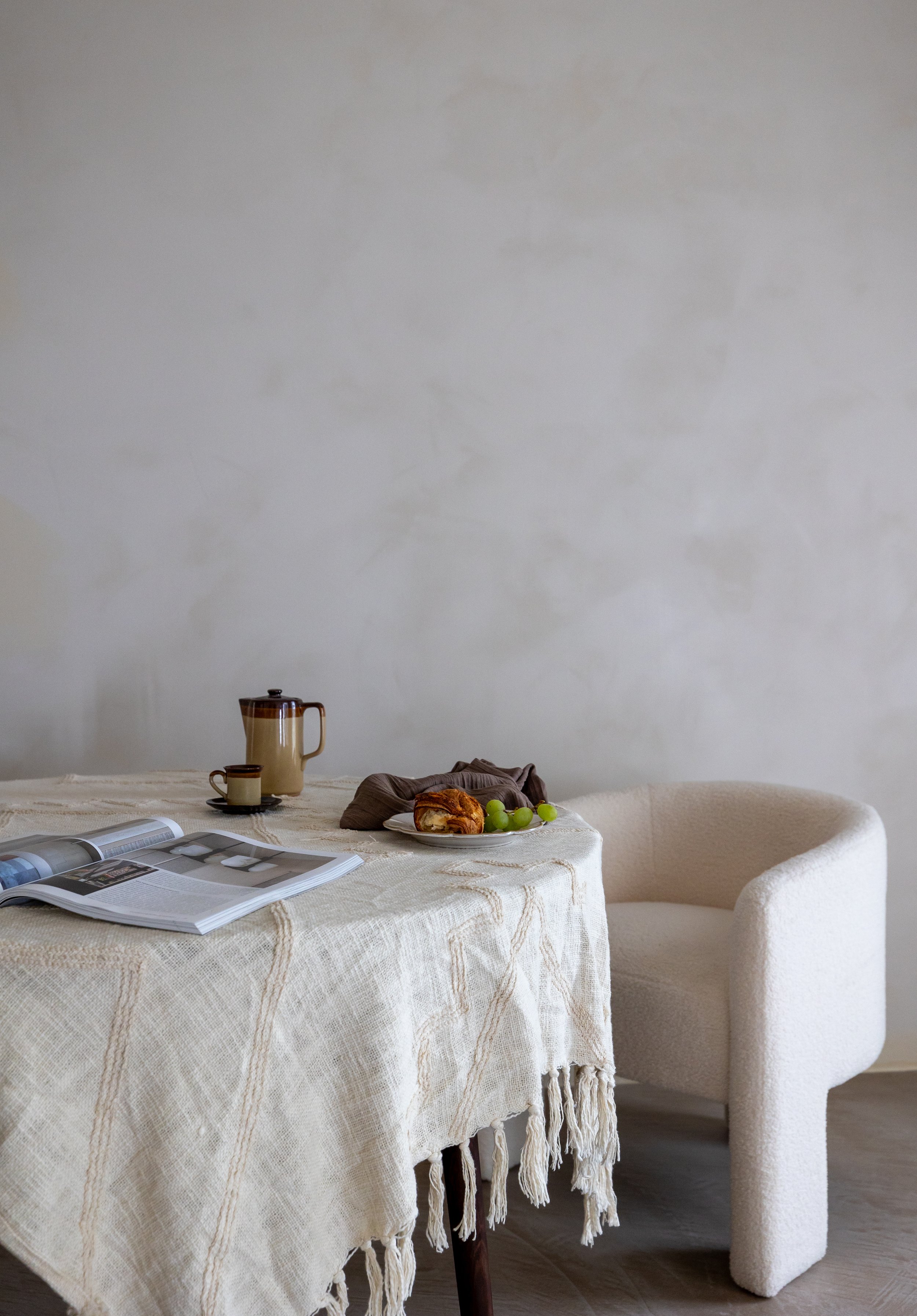
Minimalist dining scene with a round table covered by a beige textured tablecloth, a chair, an open book, a cup, a coffee pot, and a plate with a pastry and green grapes.
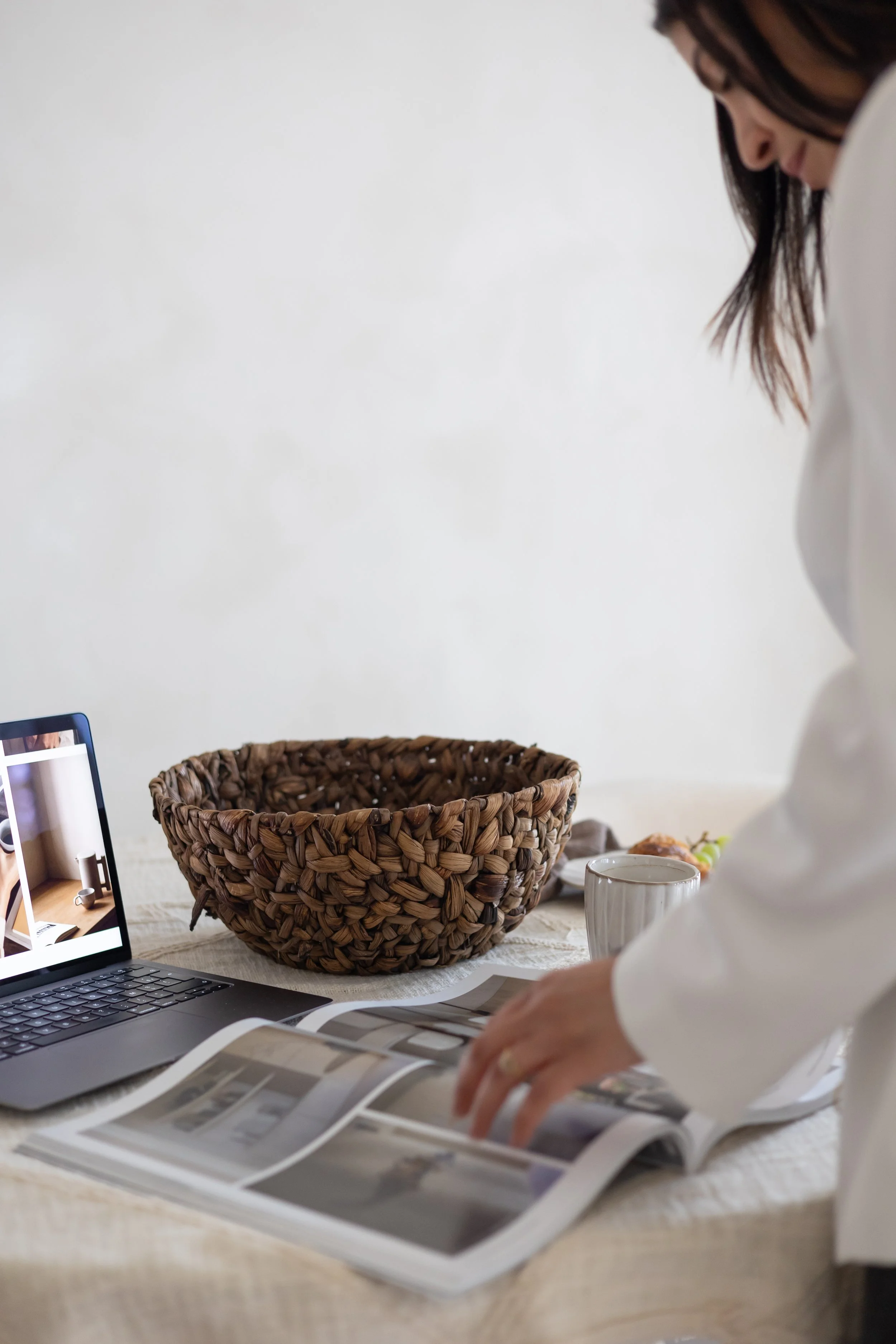
Woman reading a magazine on a table with a laptop, woven basket, and cup; indoor setting.
Modern living room with beige sofa, wooden coffee table, cushioned chair, green plant, and decorative items.
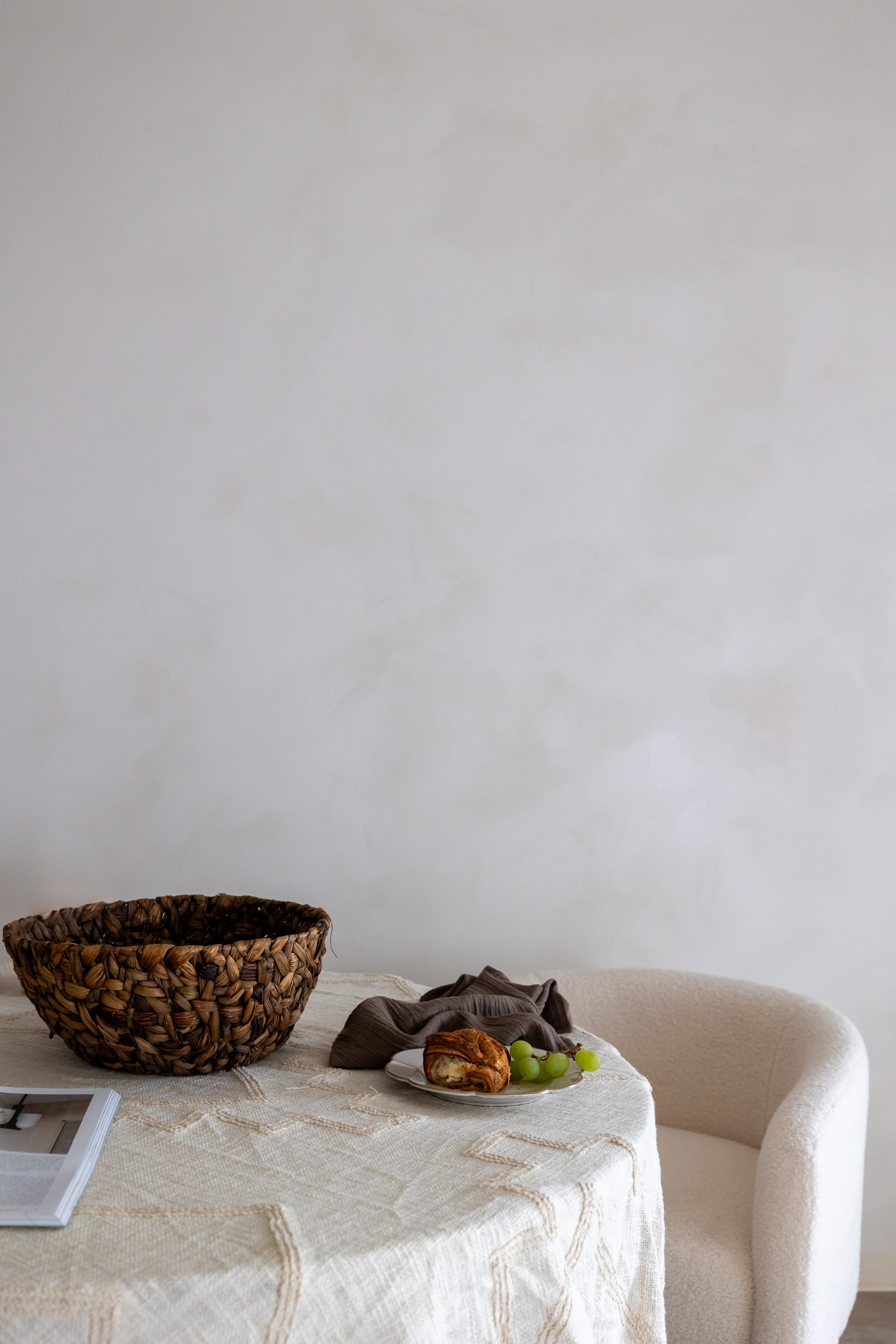
Cozy dining scene with woven basket, chair, croissant, grapes, and textured tablecloth
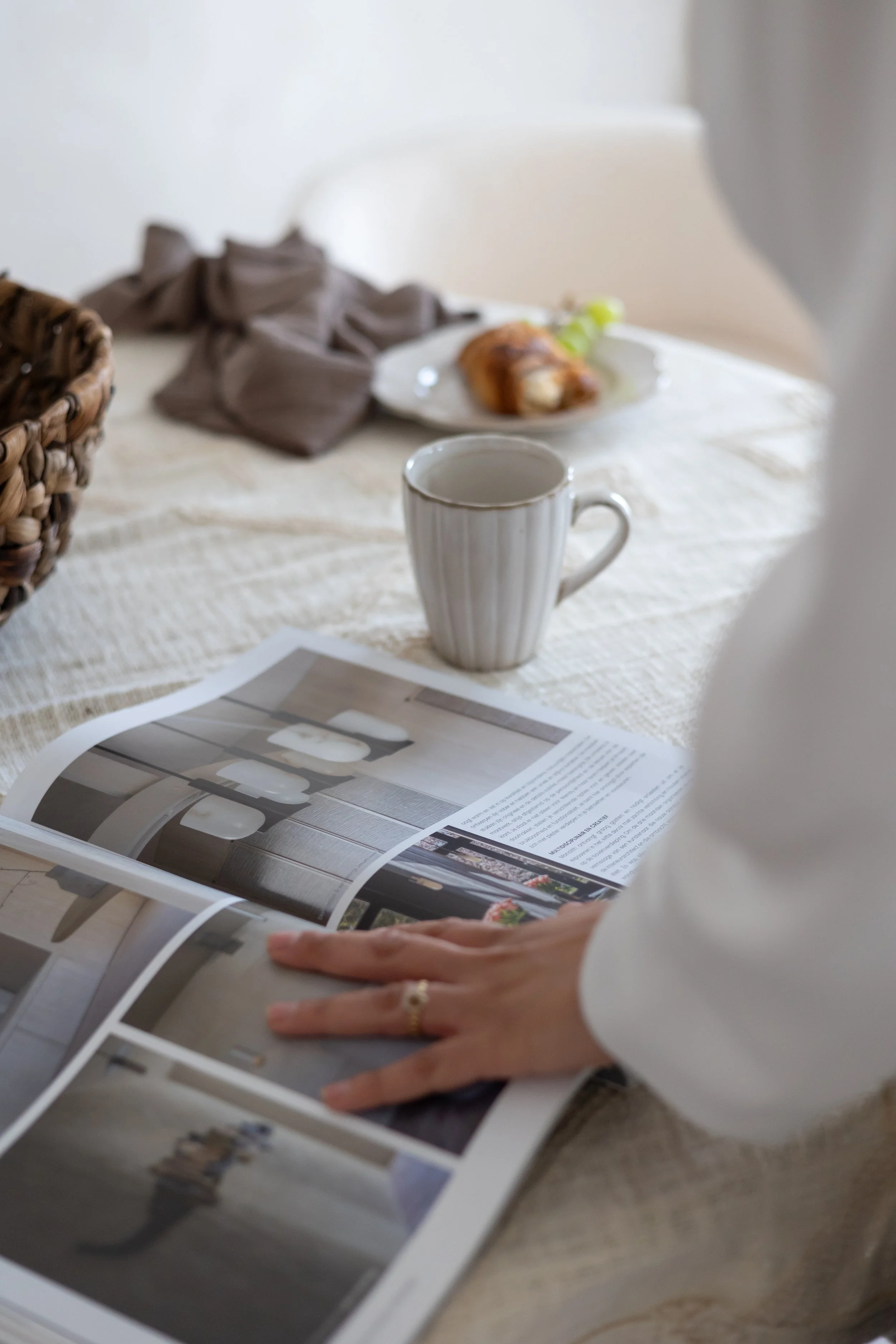
Person reading a magazine with a cup of tea or coffee on a table, alongside a plate with a pastry.
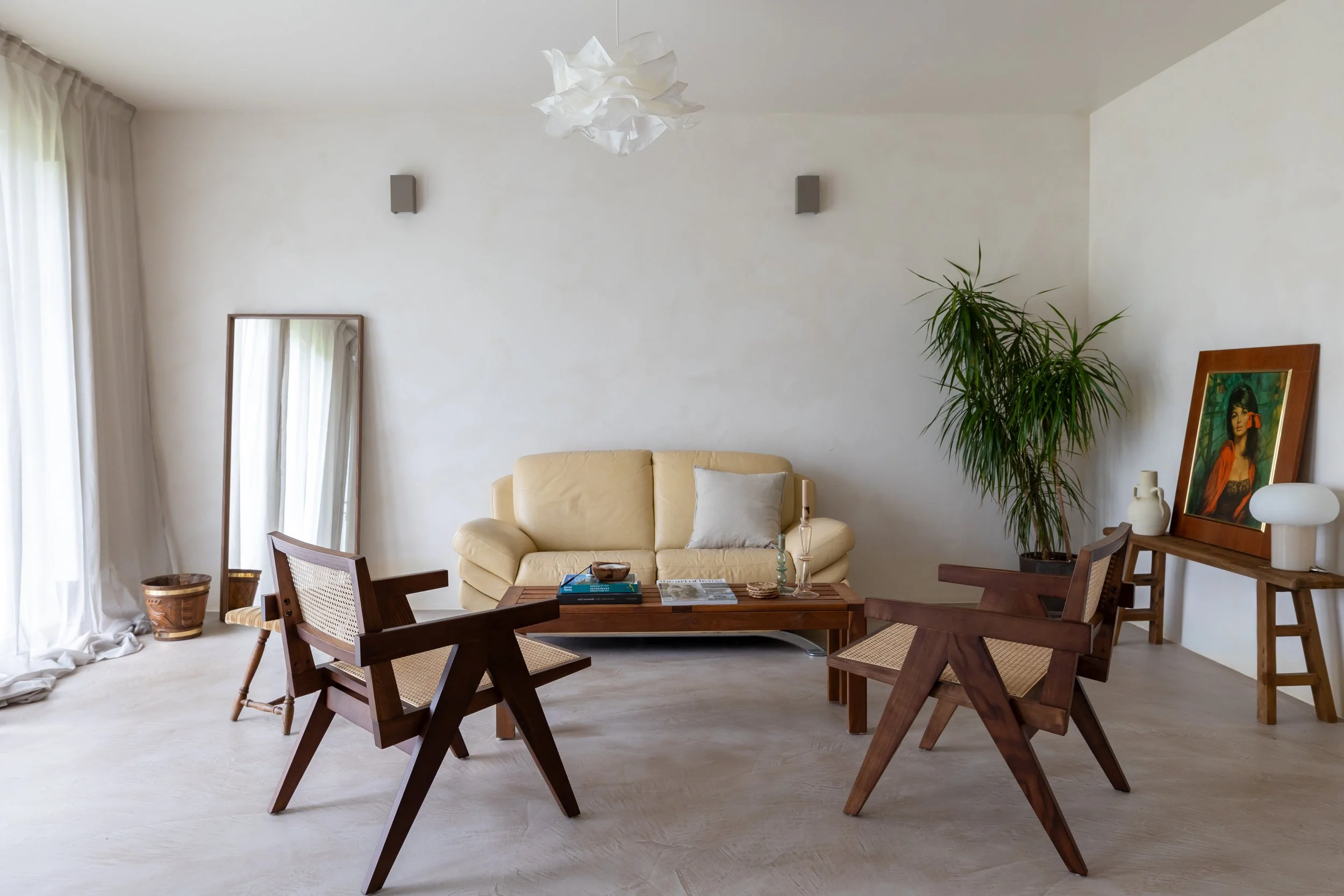
Minimalist living room with a beige sofa, two wooden chairs, a wooden coffee table, a large potted plant, a framed painting, a floor mirror, and sheer curtains.
Person in a white chair reading a magazine at a table with a white tablecloth, a plate with a croissant and grapes, and a wicker basket.
Cozy dining setting with a round table, a white fringed tablecloth, a wicker basket, a plate with a croissant and green grapes, a cup, and an open magazine.
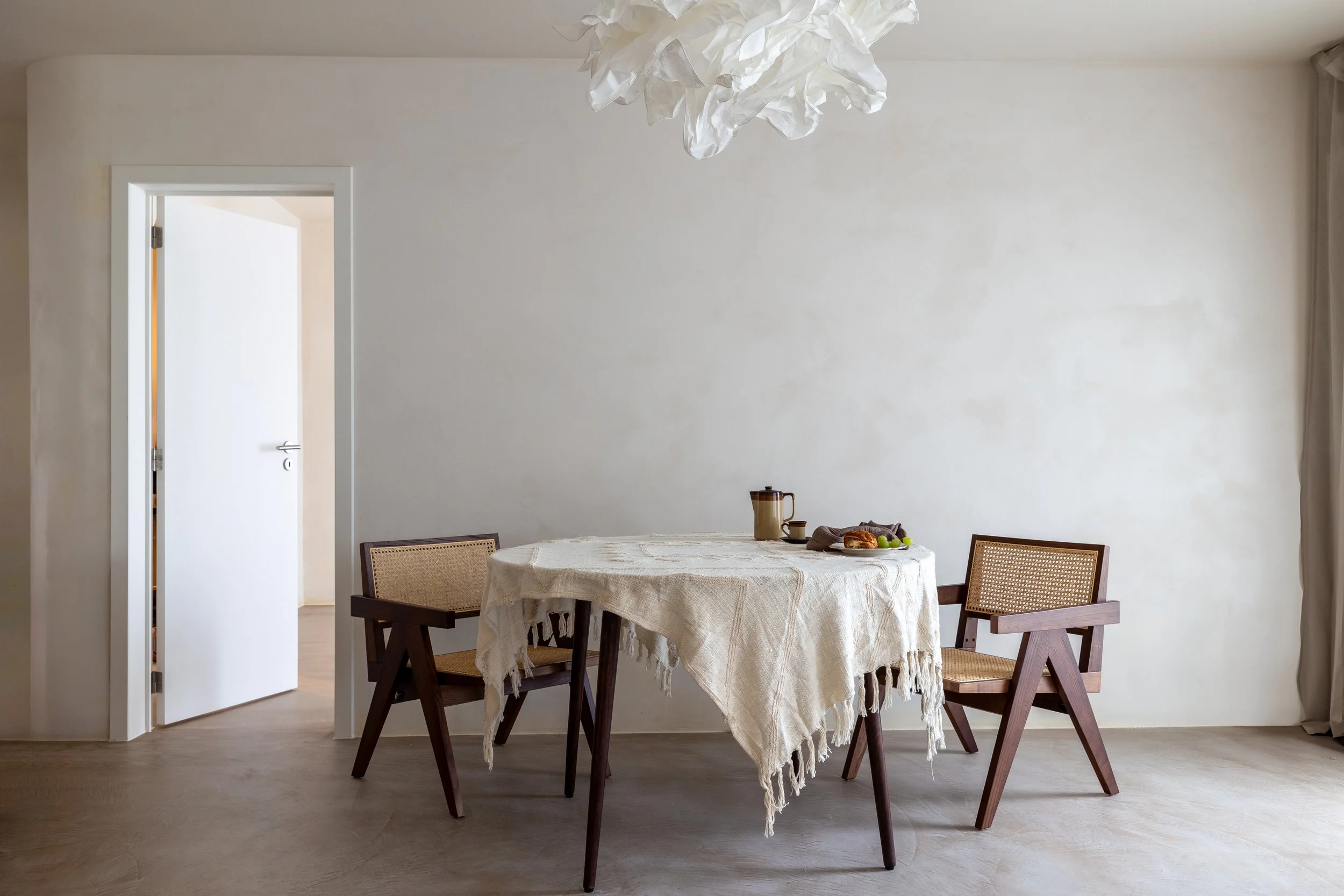
Minimalist dining room with a round table covered by a white fringed tablecloth, surrounded by three wooden chairs with woven seats. A light fixture resembling a cloud hangs above. A doorway is open to the left.
INTRODUCING WABI-SABI
Lately, I've been reflecting on how much the wabi-sabi philosophy influences not only my design work but also my day-to-day life. This beautiful concept embraces the idea that imperfection and transience can lead to deeper appreciation for our surroundings. It invites us to celebrate the beauty in life’s fleeting moments and find harmony in the naturally imperfect.
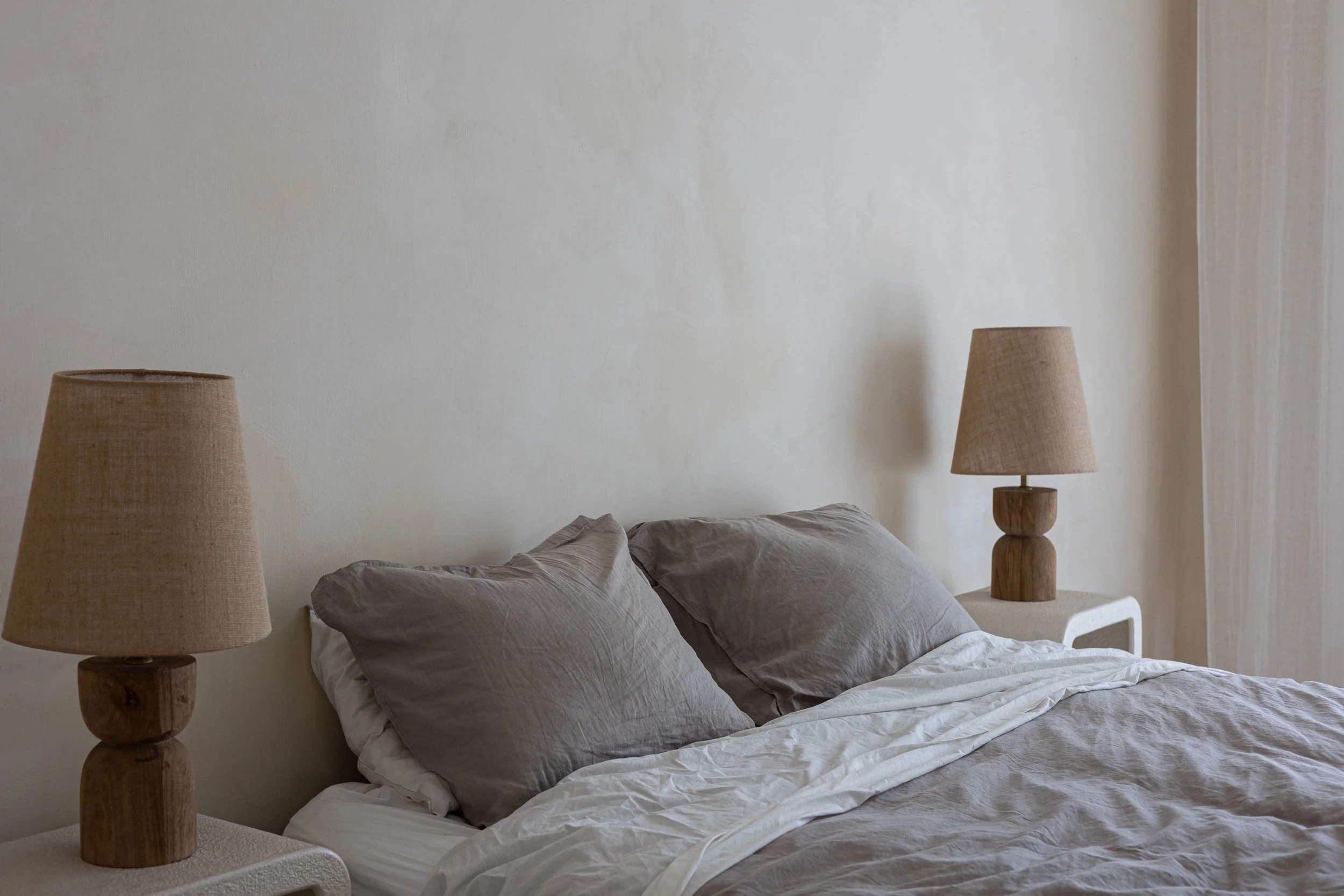
As I work on various design projects at Studio Lydia S, I’ve discovered that incorporating natural materials—like raw wood, textured linens, and stone—creates spaces that not only look stunning but feel grounding.
Each piece brings its own story, with textures that invite touch and warmth. For instance, a well-worn wooden table can be a centerpiece for cherished family gatherings, reminding us of the connections that make a house a home.
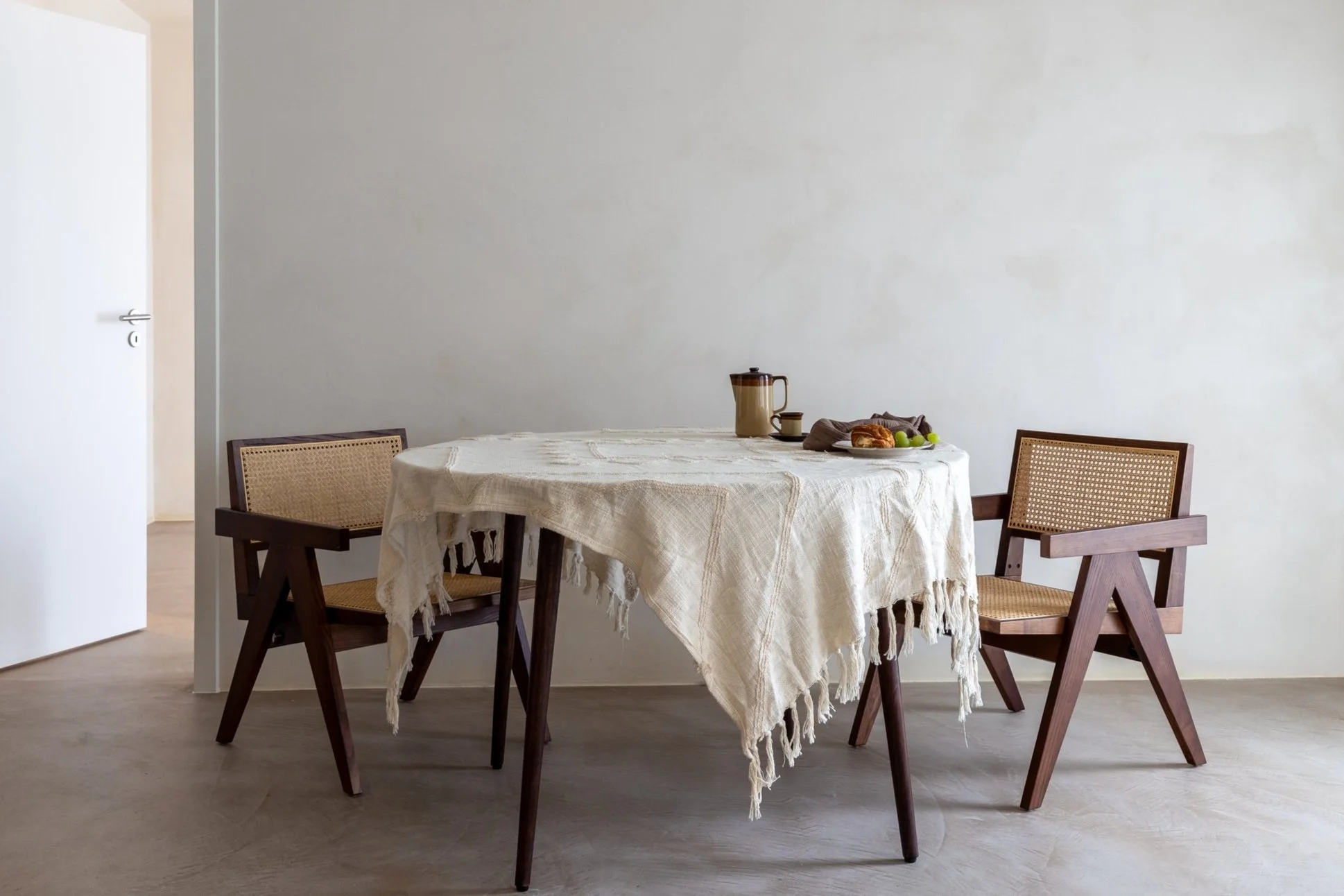
Simplifying my living space has also been transformative. Wabi-sabi teaches us to prioritize what truly matters. I often ask myself, "Does this piece serve a purpose or bring joy?" If it doesn’t, it’s time to let it go. This process isn’t just about decluttering; it’s about creating a space that resonates with my values and nurtures my well-being. I find that this approach frees up mental space, allowing me to focus on what brings me joy and fulfillment.
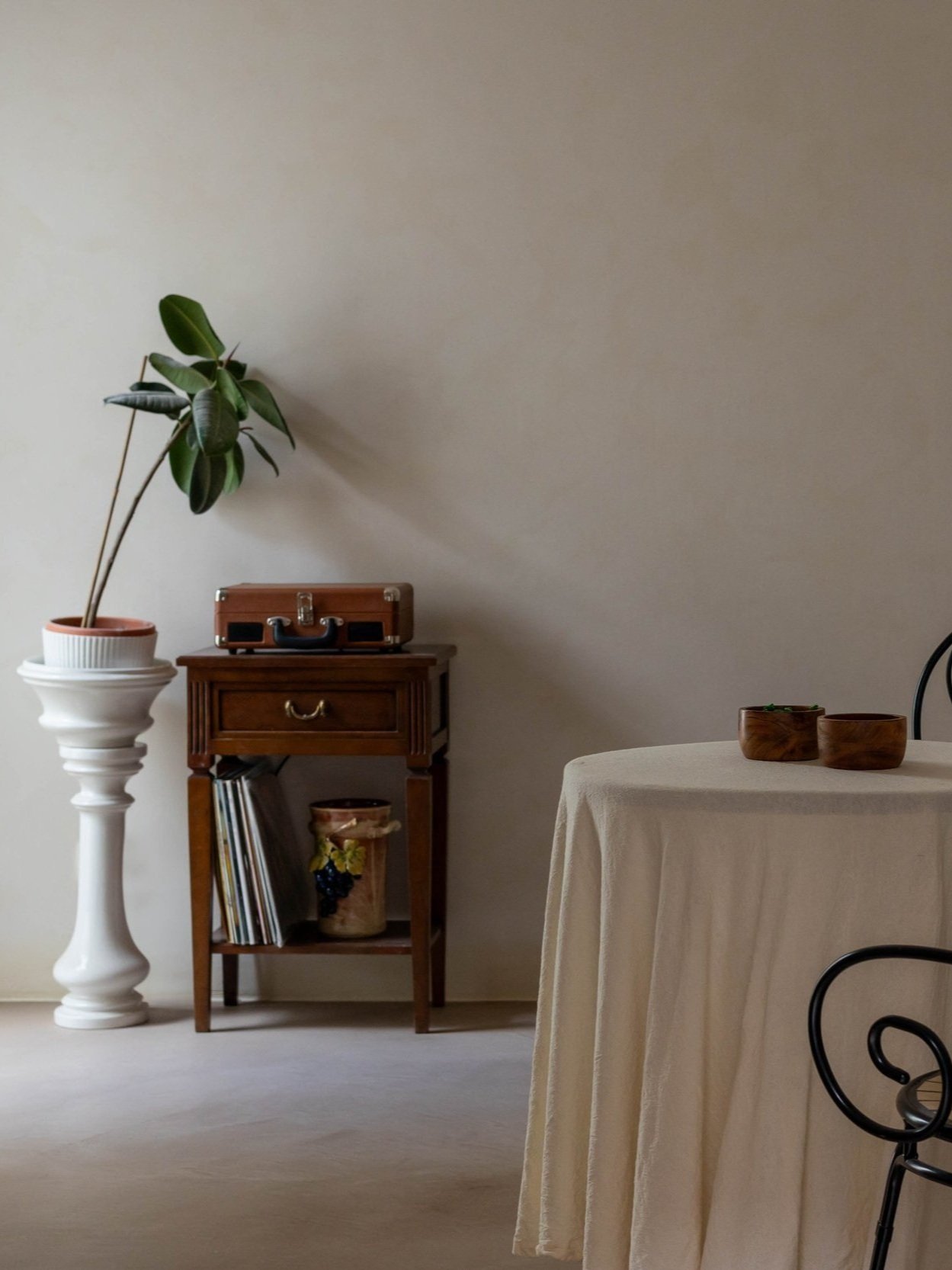
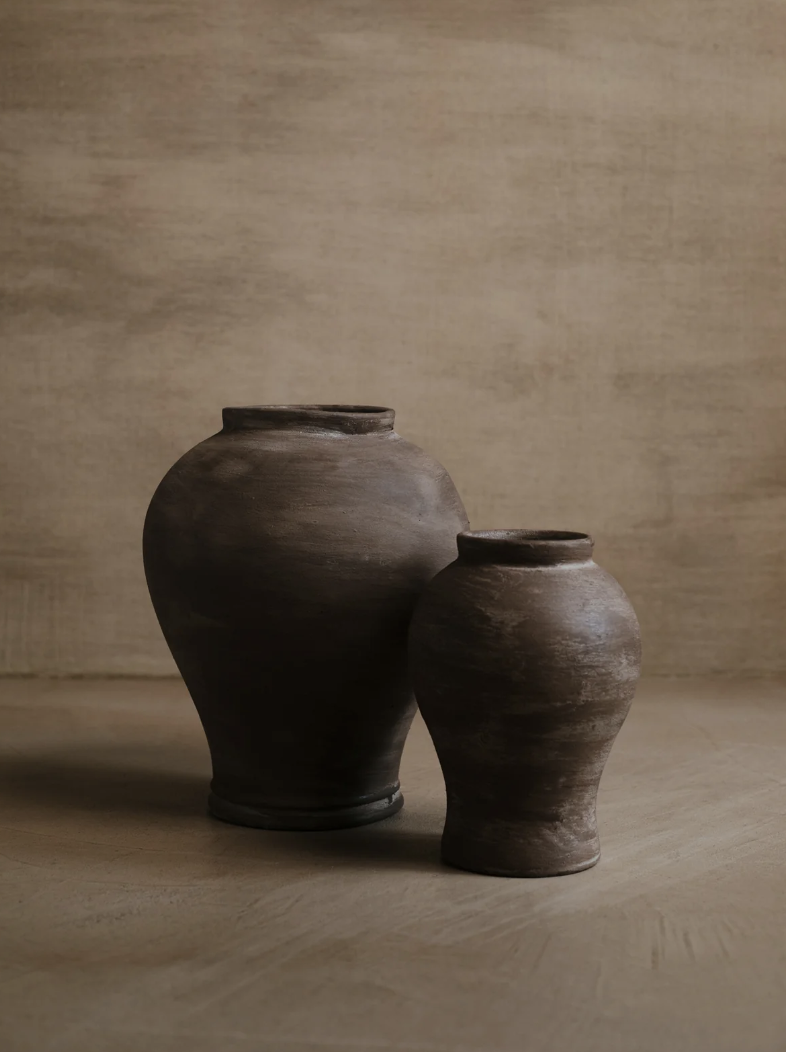
Incorporating handcrafted items is another aspect of wabi-sabi that enriches my home. I love to collect artisanal ceramics, woven baskets, and textured rugs. These unique pieces not only add charm but also connect us to the artisans who created them. The slight imperfections in these items reflect the beauty of human craftsmanship and remind us that true beauty lies in authenticity.
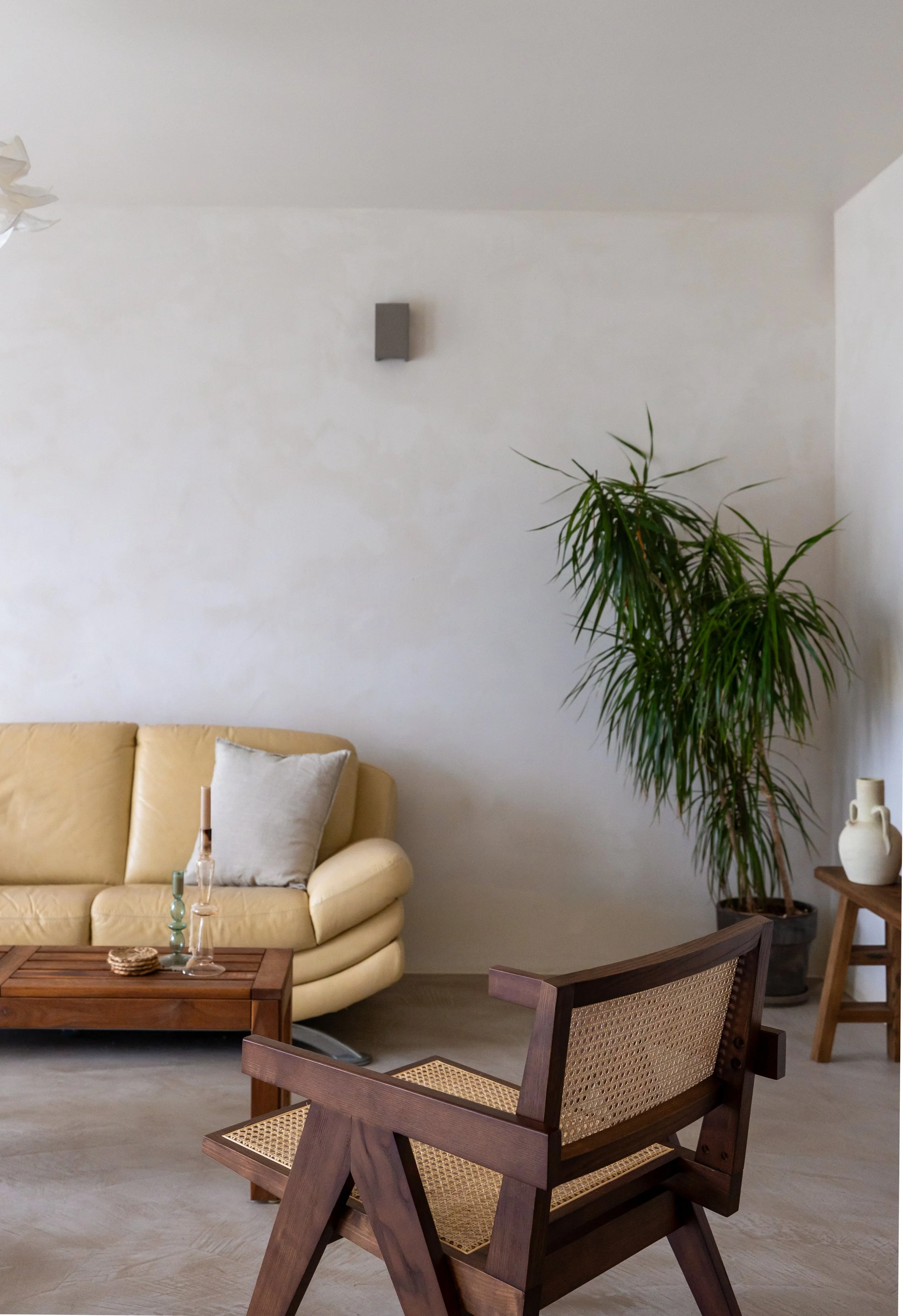
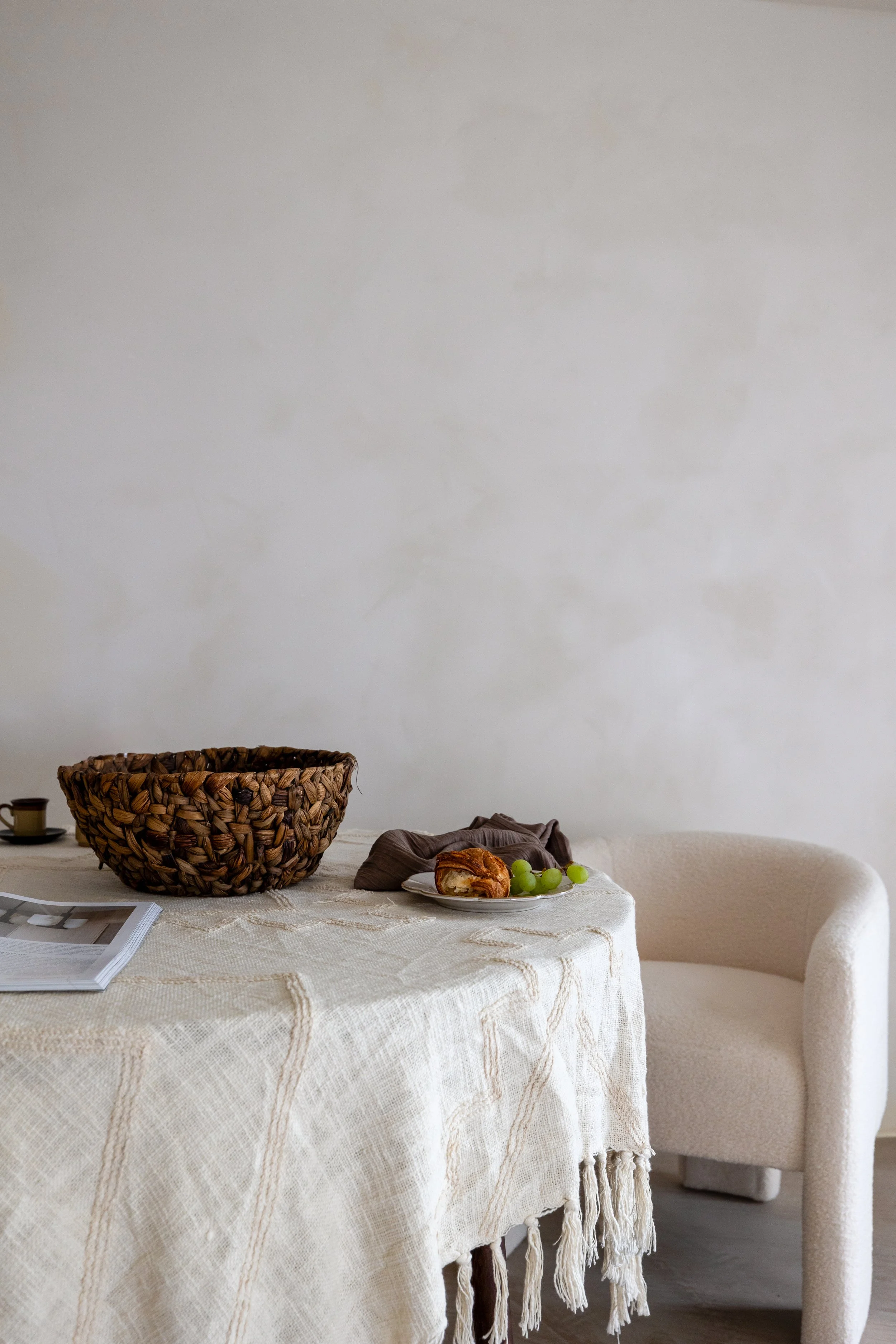
At Studio Lydia S, we integrate these principles into our designs, creating spaces that reflect personal stories and values. Wabi-sabi is not just a design style; it’s a holistic approach to life that influences how we decorate, what we value, and ultimately, how we live. It inspires me to curate environments that foster tranquility and joy.
To share this journey further, I've begun to curate a selection of wabi-sabi inspired items that I personally love and use in my projects. If you're interested in incorporating these elements into your home, check out some of my favorite recommendations below.
Each piece resonates with the ethos of wabi-sabi and can bring subtle yet profound changes to your living space.
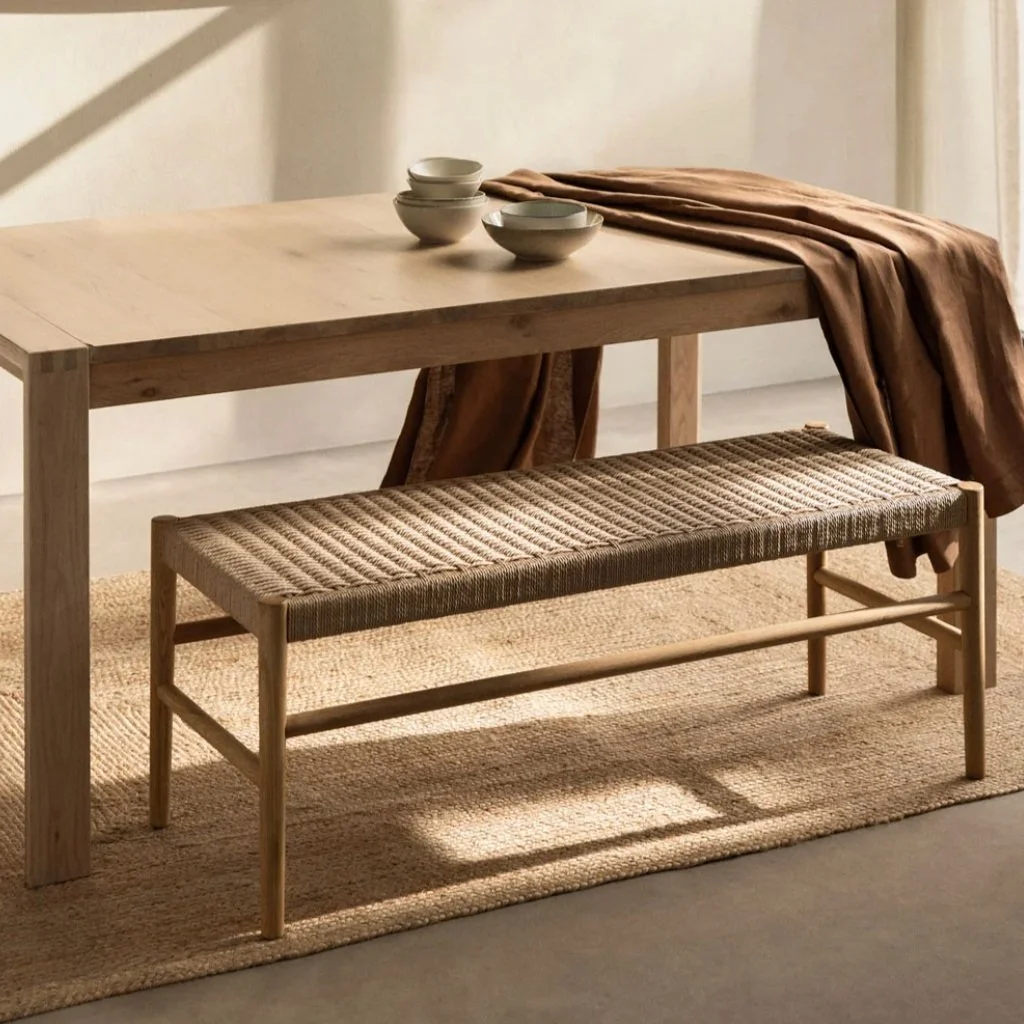
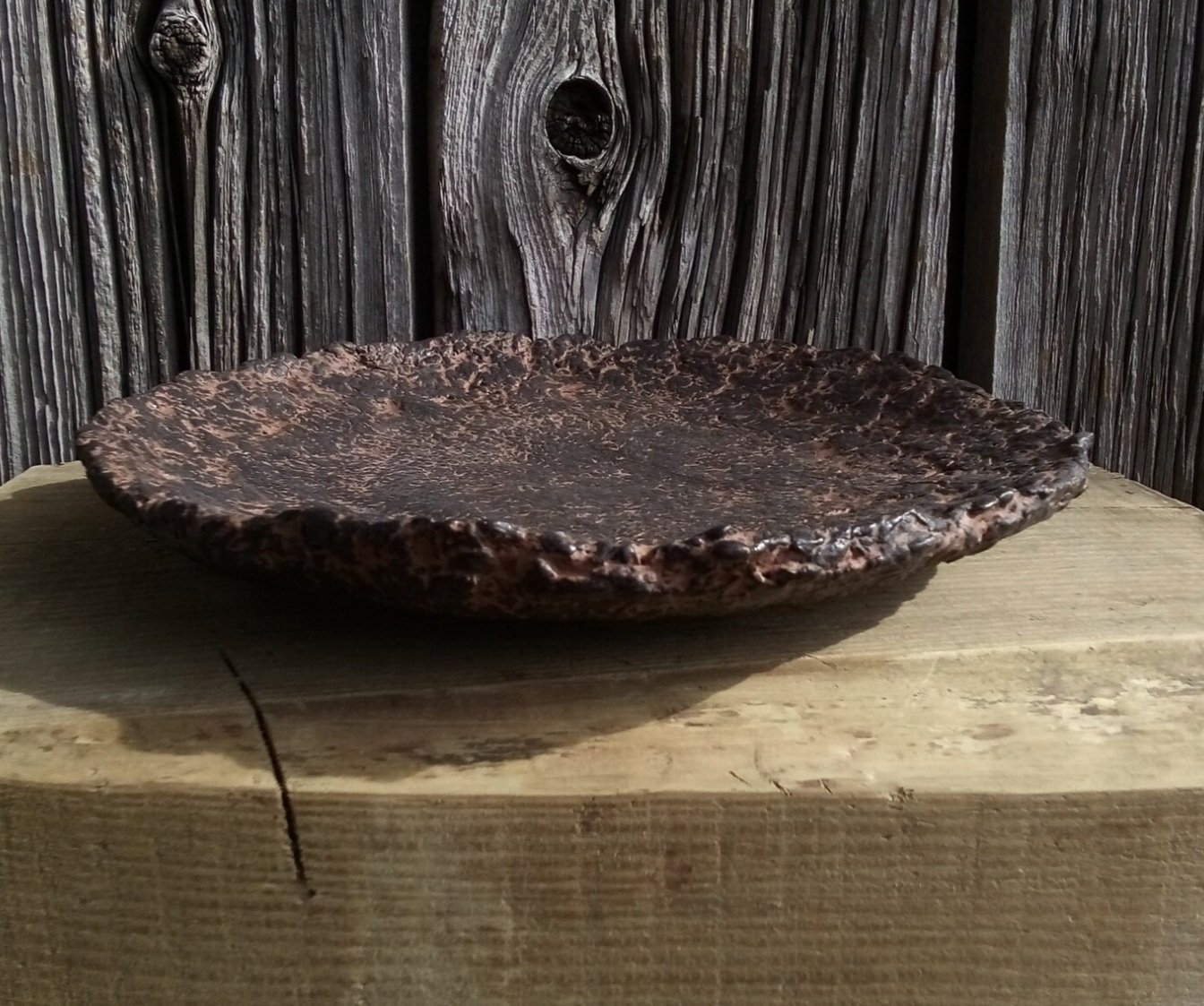
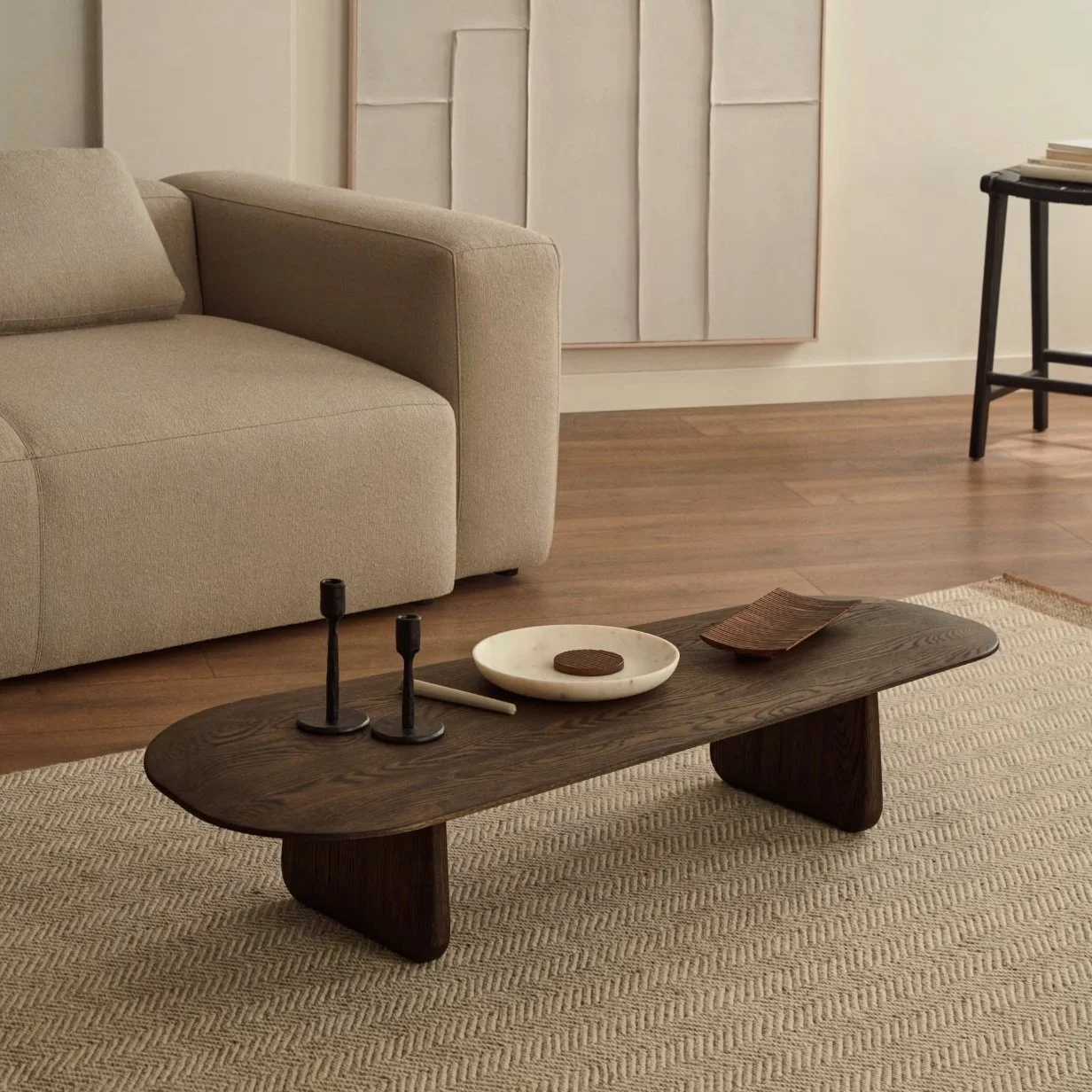
Thank you for joining me in this exploration of wabi-sabi! I hope these thoughts inspire you to bring more beauty and mindfulness into your home. If you’d like to receive more design insights, tips, and updates, I invite you to subscribe to my newsletter. Let’s embrace the art of living beautifully and meaningfully together!